
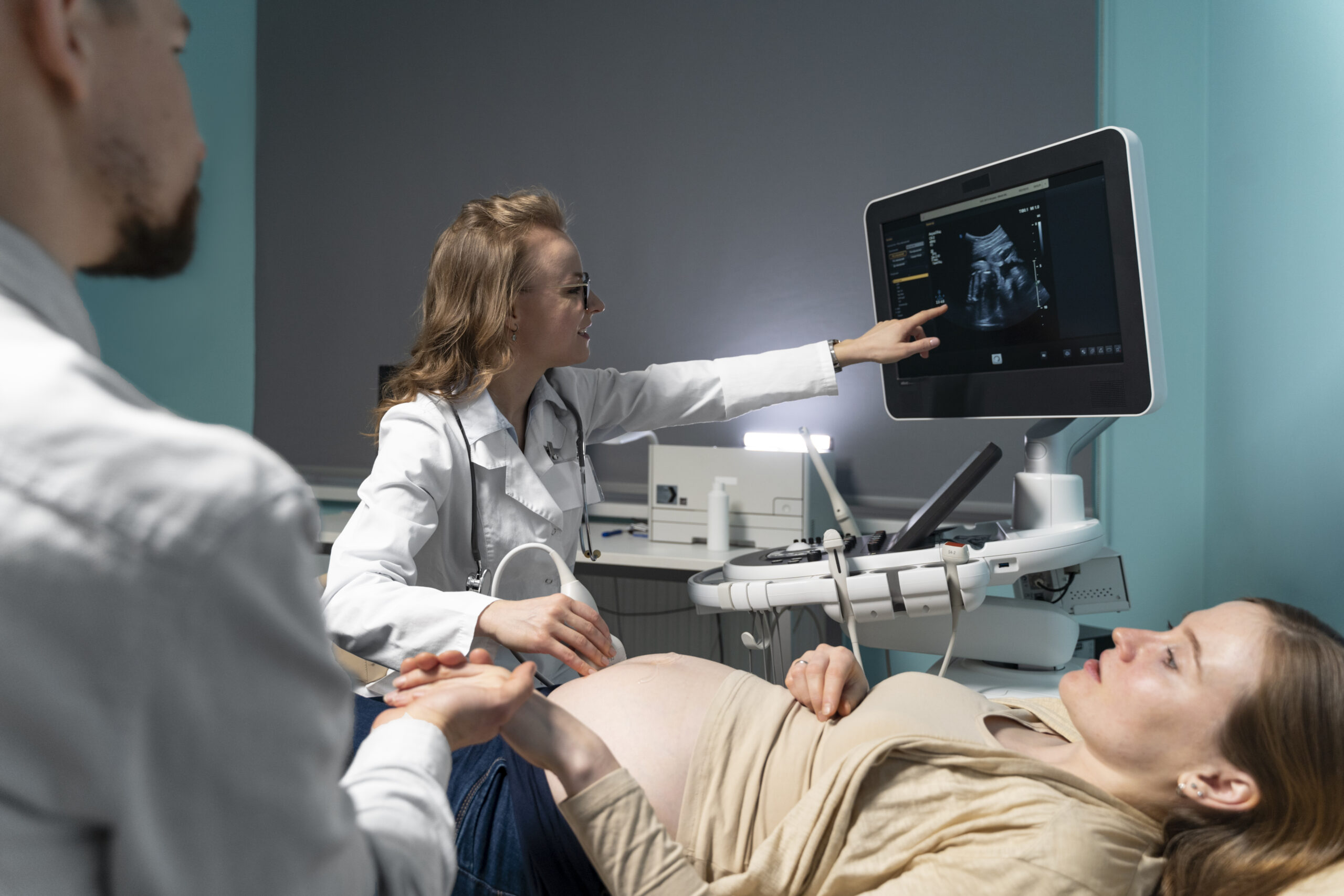
Assisted reproductive technology (ART) is a field that has expanded very rapidly in recent decades. ART has brought hope to millions of infertile couples and individuals with medical science, biotechnology, and clinical practice. In addition to its groundbreaking effect on the lives of people, this industry has also opened a myriad of employment opportunities to highly trained experts. Careers in ART are a blend of science, compassion, and creativity, whether in a laboratory capacity or in the care and management of patients. Learning about opportunities, duties, and skills that the job seeker will need in this field will assist them in choosing a fulfilling career in one of the most rapidly expanding fields of healthcare.
What is Assisted Reproductive Technology?
Assisted reproductive technology refers to the medical processes that help to treat infertility. It is commonly used in the form of in vitro fertilisation (IVF), intracytoplasmic sperm injection (ICSI), egg and sperm donation, embryo freezing, and fertility preservation. These processes need very specialised skills and knowledge of reproductive biology, clinical practice and laboratory methodology.
Due to delayed parenthood, escalating infertility rates, and awareness of fertility choices, the demand for ART services has grown all over the world. This growth is directly indicated in the employment at different levels (since the beginning of which includes the laboratory scientists) and then moving on to clinical coordinators and counselling professionals.
The Important Roles in Assisted Reproductive Technology
ART employment covers many different sectors, and different skills and educational backgrounds are needed. The laboratory is one of the most important fields. Handling gametes, fertilisation procedures, embryo culture, and cryopreservation is the work of embryologists and andrologists. These professionals are supposed to be very familiar with reproductive biology, laboratory safety precautions, and the new ART technology. Accuracy, sharpness and consistency in hands are key characteristics because the slightest mistakes can influence the outcome of activities.
Clinical care is another important area. Nurses, fertility coordinators, and patient care specialists work with patients in close collaboration to organise treatment programs, monitor health, and provide emotional support throughout the process of fertility. These roles require good interpersonal communication, empathy and dealing with sensitive issues that are associated with infertility. The emotional support offered by the clinical staff is at least as significant to many patients as the medical interventions are.
ART clinics are dominated by medical physicians in the field of reproductive endocrinology and infertility. These doctors identify underlying fertility problems, plan therapy, carry out procedures, including egg retrieval and embryo transfer, and observe the results. To qualify as a reproductive endocrinologist, a person has to have advanced medical training, but such jobs are some of the highest-paying in ART, as they are technical and are responsible.
Clinics of ART also need administrative and managerial functions. These operations would be smooth, the regulatory standards could be adhered to, and the patients could be served as soon as possible by clinic and lab managers and quality control officers. As the number of big fertility centres and multi-location clinics increases, leadership and management openings in ART are increasingly becoming available.
Skills Required for ART Jobs
The special thing about ART jobs is that they combine science, technology, and people. In laboratory work, there is no compelling technical ability. Research methods of embryology, laboratory apparatus and cellular biology are required. The patient outcome can be directly influenced by attention to detail and following sterile procedures.
In clinical functions, empathy and interpersonal skills are most important. Professionals need to guide patients through a complex emotional process, with expectations and patient education about the treatment of fertility. Communication skills: The person has to be able to communicate effectively, be patient and organise interdisciplinary teams.
Credit Pathways and Certificates
The ART job requirements depend on the position. The jobs in the laboratory usually demand a degree in biology, biotechnology, biochemistry or medical laboratory science. Other specialised positions, like embryologists, may require a master’s degree or a Ph.D. and training in the ART methods.
Nursing degrees, medical qualifications or reproductive health certifications are often required in clinical roles. Degrees and programs in fertility counselling or reproductive technology are becoming more important. One such example can be the impact of certification by certain organisations like the American Society of Reproductive Medicine (ASRM) or the European Society of Human Reproduction and Embryology (ESHRE) on credibility or even employability.
Administrative and managerial positions could be based on degrees in healthcare management, training on the job in fertility clinics in both business administration or public health. Professional development is an essential attribute of ART because technologies and protocols change quickly.
Opportunity and Career Development
Rising demand, the development of new technology, and the social acceptance of fertility treatment contribute to the growth of the ART industry. This has provided good career opportunities and up-laddering to those in the profession. Laboratory scientists have the option of becoming heads of embryologists or laboratory administrators. Clinical staff members may become patient care leaders or counsellors, and administrators may become directors at multi-location fertility centres.
The world is also becoming open. Most ART professionals are rewarded with rewarding careers overseas in nations where fertility services are in high demand (the United States, the United Kingdom, Canada and some Middle Eastern and Asia countries). This is the reason why ART is a good discipline for international professionals who want to explore different experiences and be exposed to more advanced technologies.
Conclusion
Assisted reproductive technology careers provide a vibrant combination of science, compassion and creativity. Embryologists, reproductive endocrinologists, patient coordinators, clinic managers, and more offer a wide range of opportunities to professionals with different levels of skills and education.
Although the job is challenging and morally confusing, the payoff cannot be compared to anything–either in professional or personal terms. With the need for fertility services ever increasing globally, ART career opportunities not only provide employment security, but also the opportunity to contribute positively to the lives of people. The assisted reproductive technology profession is one that can provide opportunities, issues, and life-changing influence to those who care about healthcare, technology, and patient-centred care.